
Periodontal Disease Treatment in Hamilton
Periodontal disease can quietly get the upper hand over your gums and teeth before you even notice that anything’s off. At Bridge Dental Centre, we provide trusted, reliable periodontal disease treatment in Hamilton that protects your smile, restores your oral health, and helps you feel like yourself again.
A lot of patients don’t even notice the early stages of gum disease until symptoms like gums that bleed when you brush or swell up start showing up. That’s why getting the right periodontal treatment at the right time is key to keeping your gums healthy and your natural teeth strong.
What Is Periodontal Disease ?
Periodontal disease, or gum disease as some people call it, is an infection that plays havoc with the gums, the bone, and the soft tissues that support your teeth. It starts when plaque that sticky layer of bacteria that builds up on your teeth hardens into tartar. If you don’t get it cleaned out, this bacteria can cause all sorts of trouble in the gums, including inflammation and infection.
In simple terms, periodontal disease just means that the tissues that hold your teeth in place are getting damaged. It usually begins as gingivitis, the mild form of gum disease and often you won’t feel a thing. It might show up as red, swollen, or bleeding gums, but a lot of people just ignore it.
If you let gum disease go untreated, though, it can progress into periodontitis, which is a more serious form of periodontal disease that can lead to all sorts of problems: gum recession, bone loss, tooth loss, and other health issues.
When it comes to periodontal disease treatment in Hamilton, the focus is on stopping that progression and keeping you as healthy as possible. And according to the Canadian Dental Association, gum disease is one of the leading causes of tooth loss in adults but the good news is that it’s largely avoidable with good oral hygiene and regular dental check-ups.
This isn’t just an issue for your mouth, either. Research has shown that advanced periodontal disease has been linked to heart disease, diabetes, and other health problems. So taking care of your gums is not just about your oral health it’s also about your overall well-being.
What Causes Periodontal Disease?
Many patients ask, “Why do I have gum disease?” The most common cause is poor oral hygiene. When plaque and bacteria are not removed by brushing and flossing, they build up along the gum line.
Over time, plaque turns into tartar. Tartar cannot be removed at home and requires professional scaling by a dentist. This buildup can lead to inflammation and infection in the gums.
Other common causes of periodontal disease include:
- Inconsistent brushing and floss habits
- Skipping regular dental examinations
- Smoking or tobacco use
- Diabetes
- Hormonal changes
- Certain medications
- Genetics
- Aging
As we age, the risk of gum disease increases. However, it is not just about age. Lifestyle choices and daily habits play a big role.
Gingivitis is often the first step in the progression of periodontal disease. If diagnosed early, it can be treated and even reversed. If left untreated, it can lead to periodontitis and more serious damage to the bone and tissues that support your teeth.
Poor oral health habits allow bacteria to grow in the mouth. These bacteria irritate the gums and cause inflammation. Over time, this infection can destroy the soft tissues and bone that hold your teeth in place.
Common Signs and Symptoms
How do you know if you have periodontal disease? The warning signs can range from mild to severe. Symptoms may come and go at first, but they usually worsen over time if not treated.
Here are some common signs of gum disease:
- Bleeding gums when brushing or flossing
- Swollen or red gums
- Tender gums
- Persistent bad breath
- Gum recession
- Loose teeth
- Pain when chewing
- Changes in how your teeth fit together
- Pus between the teeth and gums
- Tooth loss
In the early stages, you may only notice mild bleeding or slight inflammation. Many patients ignore these symptoms because they are not painful.
As periodontal disease progresses, the infection spreads deeper into the gums and bone. This can lead to serious health problems and even missing teeth.
If you notice any of these symptoms, it is important to seek periodontal disease treatment in Hamilton as soon as possible.
When to See a Dentist
Should you see a dentist for bleeding gums or swollen gums? The answer is yes. Even mild symptoms are worth checking out.
You should schedule an appointment if you notice:
- Gums that bleed regularly
- Swelling or inflammation that does not go away
- Loose teeth
- Gum recession
- Ongoing bad breath
- Pain or discomfort in your gums
Waiting too long can allow the disease to progress. Periodontal disease left untreated can lead to permanent damage to your gums and bone.
Early detection is the first step toward protecting your oral health. When gum disease is diagnosed in the early stages, treatment is simpler and more effective.
Seeking periodontal care early can prevent tooth loss and reduce the risk of complications linked to heart disease and diabetes.
How We Diagnose and Assess It
At Bridge Dental Centre, we make diagnosing periodontal disease as easy and painless as possible.
When you come in, our dentist will take a close look at your gums, teeth and soft tissues, measuring the space between your teeth and gums to check for any pockets that might be a sign of infection.
If needed, we might take some digital X-rays to take a look at the bone supporting your teeth. This can help us see if there’s been any bone loss.
Typically, the whole thing takes about 45 to 60 minutes depending on what you need. We’re looking for signs of inflammation, gum recession, plaque buildup, tartar, and any damage to the tissues. If you need to see a periodontist for any advanced periodontics procedures, we’ll make sure you get the help you need. Our goal is to get a good sense of what’s going on with you so we can create a personalized periodontal treatment plan just for you.
Treatment Options for Periodontal Disease
Many patients ask, “Can periodontal disease be cured?” The answer depends on the stage of the disease. In its early form, gingivitis can often be reversed with proper care. More advanced periodontitis can be managed and controlled with the right periodontal treatment.
Scaling and Root Planing
The most common treatment for gum disease is scaling and root planing. This deep cleaning procedure removes plaque and tartar from below the gum line. Root planing smooths the tooth roots to help the gums reattach.
Effective Periodontal Therapy
Scaling and root planing is a highly effective periodontal therapy that helps stop the infection and prevent further damage.
Advanced Periodontal Treatments
For more advanced cases, additional periodontal procedures may be needed. These can include bone grafting to rebuild lost bone, gum grafting to treat gum recession, periodontal maintenance visits, and antibiotic therapy.
Tooth Replacement Options
If tooth loss has already occurred, we may discuss options like dental implants to replace missing teeth and restore your smile. Dental implants are a long-term solution that can replace missing teeth and improve function and confidence.
At-Home Care and Maintenance
At home, maintaining good oral hygiene is essential. This includes brushing twice daily, flossing, and following your dentist’s recommendations. Regular maintenance visits are important to monitor progress and prevent further issues.
Our Treatment Approach
Our periodontal disease treatment in Hamilton is focused on stopping infection, protecting your natural teeth, and helping you achieve a healthier smile.
Why Choose Bridge Dental Centre for Periodontal Disease Treatment in Hamilton?
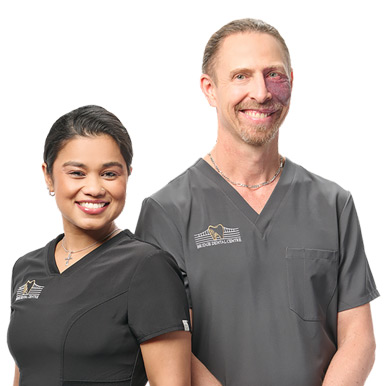
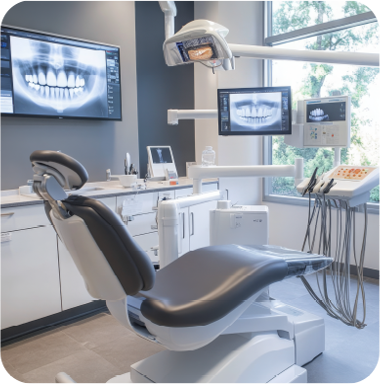
At Bridge Dental Centre, they genuinely care about giving you top notch care with a kind and approachable style. The dentist and team here have seen their fair share of nervous patients over the years, so they go out of their way to make sure you feel at ease and that you’re fully in the loop about what’s happening. They also invest in the latest dental tech to make it as easy as possible to diagnose and fix gum disease. On top of all that, they’re able to help with everything from scaling and root planing to more advanced periodontal treatment and even dental implants if you’ve got a gap that needs filling. They’re all about making a treatment plan that actually works for you. Plus they’ve also got flexible appointment times, solid support for insurance, and a genuinely caring attitude, so you can get the care you need right here in Hamilton.
How to Prevent Periodontal Disease
Prevention is always better than treatment. Here are simple ways to protect your gums and maintain optimal oral health:
- Brush your teeth twice a day
- Floss daily to remove plaque between teeth
- Use a soft-bristled toothbrush
- Visit your dentist for regular dental examinations
- Get professional cleanings as recommended
- Avoid smoking
- Manage health conditions like diabetes
- Maintain good oral hygiene habits at home
- Eat a balanced diet
- Replace your toothbrush regularly
Prevention helps reduce your risk of gum disease and keeps your gums healthy. Regular check-ups allow for early detection and early treatment if problems arise.
FAQs
Is periodontal disease serious?
Yes. Periodontal disease is a serious infection that can lead to tooth loss and other health problems if left untreated. Early treatment can prevent complications.
Can bleeding gums go away on their own?
Bleeding gums are often a sign of gingivitis. While improving oral hygiene can help, it is important to see a dentist for proper diagnosis and periodontal care.
How long does periodontal treatment take?
The length of treatment depends on the severity of the disease. Scaling and root planing may require one or more visits. Maintenance appointments are essential for long-term health.
Can gum disease affect my overall health?
Yes. Advanced periodontal disease has been linked to heart disease, diabetes, and other health concerns. Taking care of your gums supports your overall health.
Can dental implants help if I have missing teeth from gum disease?
Regular dental examinations are essential. Most patients should visit every six months, but some may need more frequent periodontal care.
Book Your Appointment Today!
Do not wait until gum disease causes permanent damage. If you are experiencing symptoms or need periodontal disease treatment in Hamilton, we are here to help.
Call Bridge Dental Centre today at (905) 664-9993 or book your appointment.
Take the first step toward a healthier smile and better oral health. Contact us today and let us help you treat and prevent periodontal disease with quality care in Hamilton.