
Chipped Tooth Treatment in Hamilton
A chipped tooth can happen in the blink of an eye, leaving you in discomfort, dealing with sharp edges, and feeling self-conscious about your smile. At Bridge Dental Centre, we provide chipped tooth treatment in hamilton with a gentle, patient-focused approach. Our goal is to restore your comfort, protect your oral health, and help you feel confident again.
Whether you’re dealing with a minor chip or a more severe crack, our experienced dental team offers personalized chipped tooth treatment in hamilton tailored to your needs, ensuring effective and lasting results.
What Is Chipped Tooth?
A chipped tooth is exactly as it sounds: a bit of your tooth has come loose. This can happen to the outside surface, the biting surface, or even the front of your tooth which is the first thing people see when you smile.
Some chips are a minor thing & can be just a scratch on the enamel (that’s the bit on the outside of the tooth). But in a lot more serious cases the crack can go quite deep into the tooth’s structure. In some really bad cases the crack even goes deep into the inner parts of the tooth where the pulp tissue and blood vessels are.
When people are looking for chipped tooth treatment in Hamilton they are usually asking themselves, “Is a chipped tooth really a big deal?” Well the answer depends a bit on how deep the damage is. A small chip is unlikely to hurt at all. But a deeper fracture can cause some really sharp pain, a lot of tooth pain when you’re chewing or sensitivity to anything you eat or drink that’s too cold or too sweet.
A chipped tooth can also have some other not so obvious effects on your oral health. Those sharp edges can chafe your tongue and lips. Cracks can trap bacteria and cause tooth decay or infection over time. And if you don’t get it sorted out it can lead to all sorts of further problems like losing a tooth.
Sometimes a chipped tooth is part of something called cracked tooth syndrome (CTS). CTS is a condition where you get little cracks in your teeth that are hard to see but you can feel the pain when you bite. It can come and go making it really hard to get used to.
So chipped tooth treatment in Hamilton is more than just sorting out the smile, it’s about keeping your teeth safe and preventing more problems from developing before they become a real issue.
What Causes Chipped Tooth?
If you’re sitting there asking yourself, “How on earth did I chip my tooth?” then you’re not alone. There are loads of reasons this can happen.
One of the biggest causes is eating something hard like a bit of hard candy or a popcorn kernel that hasn’t popped yet. If you’ve got a tooth that’s already had a big filling or some other kind of restoration then you are definitely more likely to chip it.
Teeth grinding is another common reason for chipped teeth. A lot of people do this in their sleep without even realising it. And over time that can weaken your teeth and cause cracks to develop.
Playing contact sports is another big risk. Getting hit in the face can easily knock out a tooth or cause a chipped tooth or even break a bone in the jaw.
Accidents happen to anyone too. A bad fall or a nasty blow to the mouth or an unexpected bite down on something hard can all cause a chipped tooth.
Decay can also weaken a tooth from the inside. And when it does spread, it can leave your tooth feeling brittle and likely to chip or crack. That’s why good dental care is so important.
Sometimes it can start to develop slowly. Those tiny little craze lines that show up on your teeth’s surface can start to get bigger and bigger over time. If that crack goes deep enough then it may turn into cracked tooth syndrome.
Large fillings can also be a problem. If a lot of the natural tooth has been replaced by a filling then the tooth may not be strong enough to handle the force of chewing normally.
No matter what, catching the problem early and getting it sorted out is really the key to preventing further damage.
Common Signs and Symptoms
How do you know if you need chipped tooth treatment in Hamilton? Here are some common signs and symptoms:
- ✔ A visible chip or missing piece of your tooth.
- ✔ Sharp edges that you can feel with your tongue.
- ✔ Sharp pain when biting down.
- ✔ Tooth pain when chewing on the affected area.
- ✔ Sensitivity to hot, cold, or sweet foods.
- ✔ Severe pain that comes and goes.
- ✔ Swelling around the gum line.
- ✔ Pain that feels like cracked tooth syndrome.
- ✔ Discomfort when chewing hard foods.
- ✔ A rough or uneven biting surface.

In mild cases, you may only notice a small change in your tooth shape. In more serious situations, the pain can worsen over time.
Symptoms may come and go, especially with cracked tooth syndrome. But even if the pain is not constant, it does not mean the problem has gone away.
When to See a Dentist
You should see a dentist as soon as possible if you notice a chipped tooth. Even a minor chip can turn into a bigger issue if ignored.
Seek immediate attention if you experience:
- Severe pain
- Bleeding around the affected area
- A crack that seems to go below the gum line
- Signs of infected tissue
- Swelling in your face or jaw
- A dental emergency involving knocked out teeth
Waiting too long can lead to further damage and even tooth loss. If the crack extends into the pulp tissue, you may need root canal treatment to remove infected tissue and save the tooth.
Early treatment can alleviate discomfort and prevent further complications. The Canadian Dental Association and the American Dental Association both emphasize the importance of prompt dental care for damaged teeth to maintain good oral health.
If you are unsure whether your situation is serious, it is always better to have it checked. Our dental team at Bridge Dental Centre is here to help.
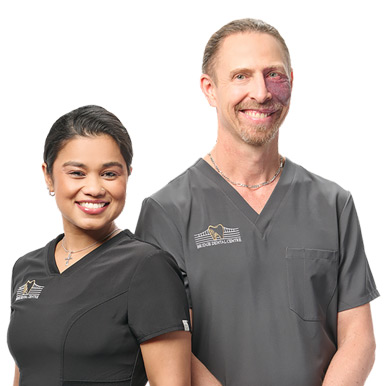
How We Diagnose and Assess It
When you visit us for chipped tooth treatment in Hamilton, we start with a full tooth diagnosis.
1. Comprehensive Examination
Your appointment usually takes about 45 to 60 minutes. During the exam, our dentist will carefully look at the tooth's surface and check for visible tooth cracks, fractured cusp areas, or signs of a split tooth.
2. Dental X-Rays
We may use dental X-rays to see if the crack extends into deeper layers or affects the blood vessels and pulp tissue. This helps us determine if root canals or other treatment options are needed.
3. Symptom Assessment
We will also ask about your symptoms, such as sharp pain when biting or sensitivity to sweet foods. Your answers help us understand if cracked tooth syndrome or another tooth syndrome may be involved.
4.Diagnosis and Treatment Planning
Our goal is early diagnosis and a clear understanding of the affected tooth so we can recommend the most effective solutions.
Treatment Options for Chipped Tooth
Many patients ask, “How is a chipped tooth treated?” The answer depends on the size of the chip and how deep the damage goes.
Dental Bonding for Minor Chips
For a minor chip, dental bonding with composite resin is often a great option. We use a tooth colored resin to rebuild the tooth shape and smooth out sharp edges. This is a minimally invasive procedure that can usually be done in one visit.
Dental Crowns for Larger Damage
If a larger portion of the tooth is missing, a dental crown may be recommended. A crown covers the entire damaged tooth and restores its strength and tooth's integrity.
Root Canal Treatment for Deeper Damage
For a fractured tooth or cracked tooth that affects the inner layers, root canal treatment may be needed. This removes infected tissue and protects the remaining structure. After root canals, a dental crown is often placed to protect the tooth.
Tooth Extraction and Replacement Options
If the tooth is severely damaged or a split tooth cannot be saved, oral surgery may be required to remove it. We will then discuss replacement options to prevent bone loss and maintain your oral health.
Personalized Treatment Approach
Treatment depends on the extent of the damage. Our patient centered approach ensures that you understand all your treatment options before making a decision.
At-Home Care
At home, we may recommend avoiding hard foods, chewing on the other side, and maintaining good dental care until your treatment is complete.
Nightguards for Protection
In some cases, especially when related to teeth grinding, we may suggest a nightguard to prevent further damage.
Importance of Early Treatment
Highlights the importance of early intervention for cracked and fractured teeth. Early treatment helps preserve the tooth and prevent health issues down the road.
Why Choose Bridge Dental Centre for Chipped Tooth Treatment in Hamilton?
At Bridge Dental Centre, we take pride in offering trusted chipped tooth treatment in Hamilton with a patient centered approach. Our experienced dental team uses modern technology and minimally invasive techniques to restore your smile while focusing on patient comfort. We offer sedation options, including nitrous oxide, to help reduce anxiety and make your visit stress free. Whether you are dealing with a dental emergency or a small minor chip, we provide same day appointments whenever possible. We also help with insurance support and flexible payment options so you can get the dental care you need without added stress.
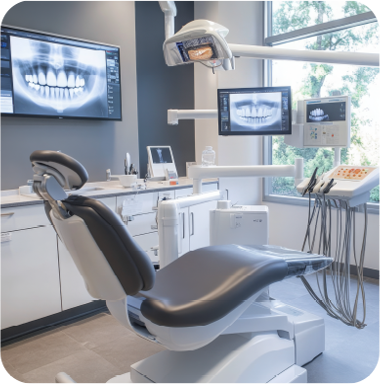
How to Prevent Chipped Tooth
Preventing a chipped tooth is often easier than fixing one. Here are some simple tips:
- ✔ Avoid biting hard candy and other hard foods.
- ✔ Do not chew on hard objects like ice or pens.
- ✔ Wear a mouthguard during contact sports.
- ✔ Use a nightguard if you grind your teeth.
- ✔ Brush and floss daily to prevent tooth decay.
- ✔ Visit your dentist regularly for check-ups.
- ✔ Address large fillings or existing restoration issues early.
- ✔ Seek early treatment if you notice craze lines or small tooth cracks.
Regular dental visits allow for early diagnosis of problems before they turn into bigger health issues.
FAQs
Is a chipped tooth a dental emergency?
A chipped tooth can be a dental emergency if you have severe pain, bleeding, or signs of infected tissue. Even if the pain is mild, it is important to schedule chipped tooth treatment in Hamilton as soon as possible.
Can a cracked tooth heal on its own?
No, a cracked tooth will not heal by itself. Without treatment, the crack may grow and lead to further damage or tooth loss.
What is cracked tooth diagnosis?
Cracked tooth diagnosis involves examining the tooth, checking for pain when biting, and using X-rays to see how deep the crack extends. Early diagnosis helps prevent further complications.
Will I need a root canal for a chipped tooth?
Not always. Root canal treatment is only needed if the pulp tissue or blood vessels are affected. Many minor chips can be fixed with dental bonding or a dental crown.
How long does treatment take?
Some treatments, like dental bonding with composite resin, can be completed in one visit. More complex cases may require multiple visits depending on the treatment depending on the damage.
Book Your Appointment Today!
Do not wait for a small chip to turn into a bigger problem. If you need chipped tooth treatment in Hamilton, the team at Bridge Dental Centre is ready to help.
Call us today at (905) 664-9993 or book your appointment.
Let us restore your smile, protect your oral health, and help you feel great again.